
Monday’s can be difficult.
You wake up, it’s the start of a new week and you might be feeling a bit anxious.
Your mind is racing ahead to all the things you need to do and all the challenges you need to overcome.
It can be a bit daunting.
So here’s a mood booster for you.
A reason why you don’t need to feel so bad, why you should be grateful for your life and why today is a great day to be you.
Why Philosophy Isn’t Just for Academics:
In today’s fast-paced digital age, the musings of ancient philosophers may seem distant, even irrelevant.
Given how much change there has been in the world it can be hard to engage with people who lived in such bygone times.
How can anyone who didn’t even have running water, let alone social media, understand what is is to be us?
Well, they can.
Because humans haven’t changed at all in the last 2500 years. And as most of the greatest philosophers grappled with the human condition and looked to solve it, they have a lot of wisdom that can help guide us through the tricky waters of our lives.
Alain de Botton, a brilliant contemporary philosopher, argues that philosophy’s essence isn’t about complex terminologies, but life’s simple, yet profound, questions.
And I agree (I often agree with Alain).
Philosophy provides perspective, solace, and, occasionally, answers to our most pressing concerns.
Let’s have a quick look at some places to start (check out the Resources Page for a deeper dive).
Stoicism: Ancient Wisdom for Modern Resilience
Long before the age of self-help books and TED Talks, Stoicism offered guidance on leading a balanced life.
At its core, Stoicism emphasises discerning between what we can and can’t control.
It’s about accepting that while we can’t stop the coffee from spilling, we can control our reaction to it.
In an unpredictable world, Stoicism arms us with resilience and perspective.
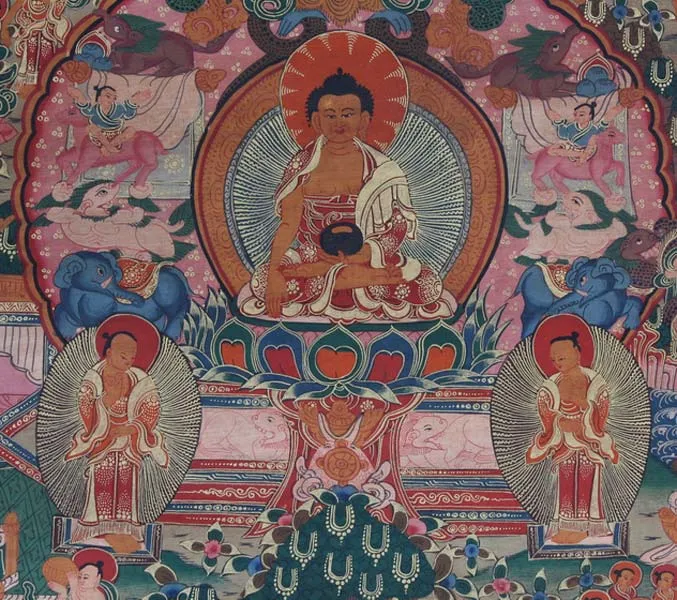
Buddhism: Beyond Religion, A Philosophy of Balance
While Buddhism is known as a religion, its teachings transcend ritualistic practices.
It offers insights into embracing life’s transitory nature.
The essence of Buddhist thought revolves around understanding and accepting impermanence.
Yes, your job or relationship might have ended, but Buddhism would gently remind you that change is life’s only constant.
By internalising this, we approach life’s ebbs and flows with equanimity.
A phrase I sometimes like to chant to myself during my morning mediations is ‘Nothing is permanent, Nothing satisfies & Nothing is me’.
I find pretty much all anxiety dissipates after this.
Schopenhauer: Life, Desire, and Authenticity:
Schopenhauer didn’t sugarcoat his worldview.
He believed life was punctuated by desires and suffering.
And that our lives are just a pendulum swing between pain and boredom.
His iconic example was the example of a someone walking with a tiny stone in their shoe.
99% of their body is fine. It’s sunny. They’re happy. And yet all that person can think about is the stone in their shoe.
Humans have a negative predisposition in life. It keeps us alive. Negative emotions are far more visceral and affective than positive ones.
But recognising and understanding these challenges can be liberating.
For Schopenhauer, this realisation was a call to cultivate authenticity, to chase genuine desires, and to seek real connections.
Weaving Ancient Wisdom into Our Modern Fabric:
Incorporating philosophical wisdom into daily life might seem daunting, but here’s a start:
- Recognise the Bigger Picture: The Stoics would advise against sweating the small stuff. That looming deadline? In the grand scheme, it’s just a fleeting moment. Don’t let anxiety dampen your life (which is amazing, short and not worth squandering).
- Embrace the Now: Buddhism teaches the significance of the present. The transient joy of a shared joke, a fleeting sunset — these moments, though ephemeral, are real and worth cherishing.
- Pursue Genuine Connections: Schopenhauer’s philosophy reminds us of the importance of authenticity. Foster true relationships and seek passions that resonate.
In Conclusion:
Life’s intricacies are daunting, and while we can’t claim that philosophy holds all the answers, it provides an invaluable lens to examine, understand, and perhaps find solace in our existence.
As Alain de Botton aptly puts it, philosophy isn’t an esoteric field reserved for scholars.
It’s a compass for navigating the journey of life.
Till next time, remember to live well.
Love, as always,
Max
Leave a Reply